
Selected Work
A selection of writing, editing and editorial projects spanning arts, culture, film, literature and communications.
Some work shown here is published work; other examples are independent editorial projects created to demonstrate my approach.
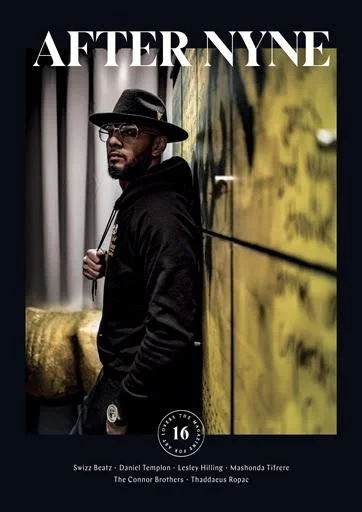
01 — AFTER NYNE
Arts publishing & cultural communications
Before Meadows Editorial, there was After Nyne.
My experience with After Nyne Magazine sits at the heart of Meadows Editorial’s Arts & Culture offering. Working across arts publishing and cultural communications gave me first-hand experience of communicating artists, creative practitioners and cultural stories to an audience.r
It remains an important influence on how I approach editorial work today: understand the subject, find the story and make the audience want to know more.
02 — AFTER NYNE gallery
gallery management, exhibitions, artists & audience engagement
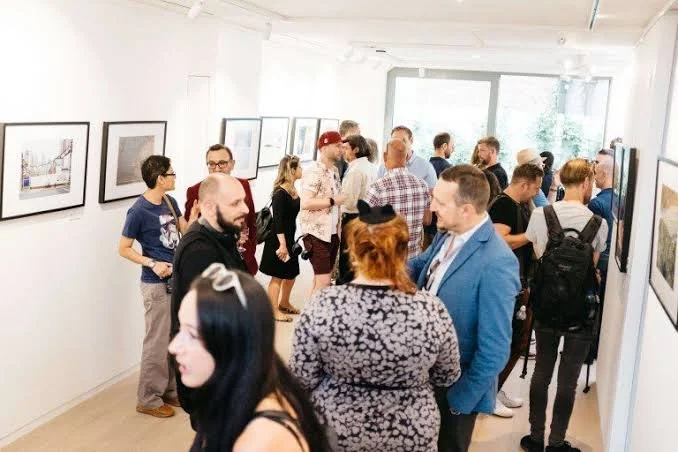
I ran After Nyne Gallery, working across exhibitions, artists, clients and audiences while managing the day-to-day operation of the space. My role included developing exhibitions, promoting the gallery, securing clients to hire the space, coordinating events and communicating the work of artists to different audiences — experience that continues to inform my approach to cultural communications and editorial work.
03 — CELLULOID & THE CITY
Writing about the stories behind the screen.
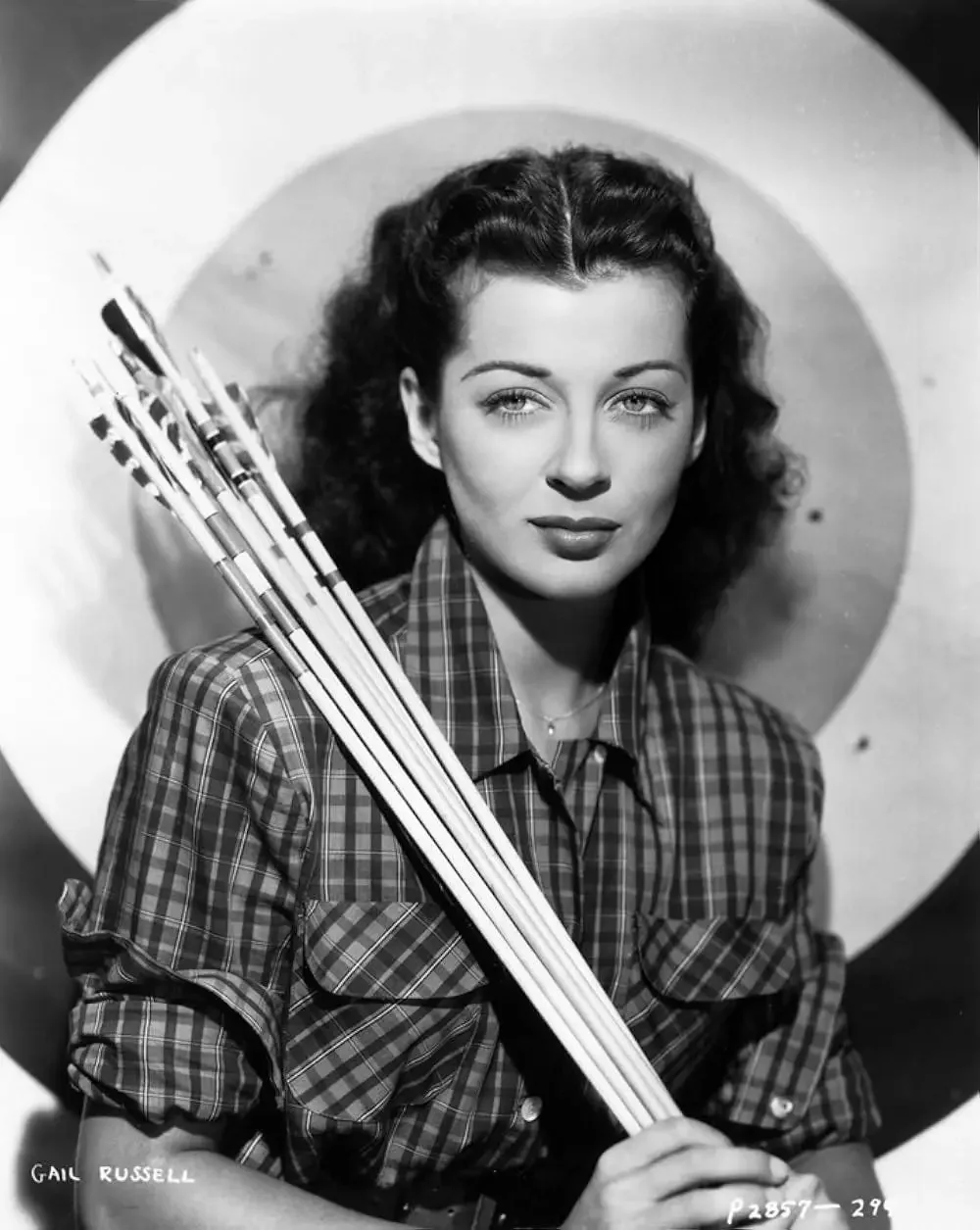
Celluloid & the City explores Golden Age Hollywood through film, biography, history and cultural context — combining research with accessible, character-led storytelling.
Gail Russell: Fragility and Fame in Hollywood’s Golden Age
Why Andrzej Żuławski’s Horror Classic 'Possession' Still Hits Like a Hammer
Ambition, Lust & Murder: A Place in the Sun & The Big Moose Lake Murder
04 — JAMES M. CAIN
Literary criticism & academic writing
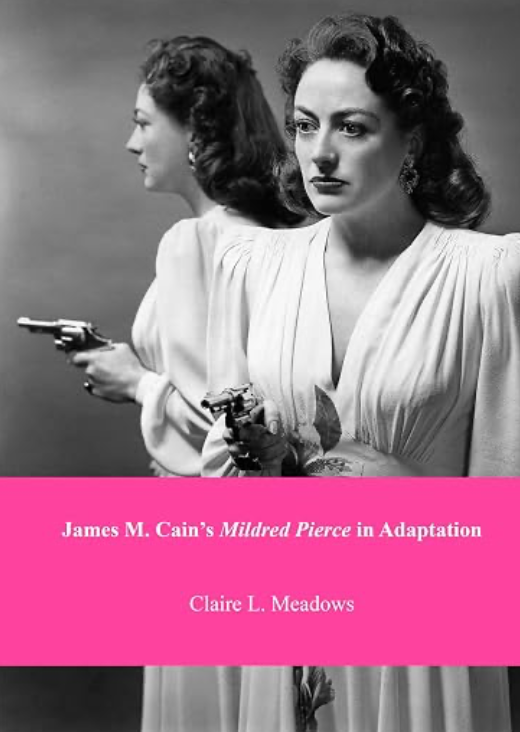
An academic study examining the relationship between Cain’s novel and its cinematic adaptation, combining literary analysis, film history and close textual reading.
What this work has in common
Different subjects. Different audiences. Different voices.
But the same editorial principles run through everything I do:
Understand the subject.
Find the story.
Respect the voice.
Give the reader a reason to care.
Have a project in mind?